歡迎來到 LuxToky
LuxToky
我的最愛
Authentication

How to Authenticate Designer Handbags: 5 Methods You Can Do Yourself

The complete guide to authenticating designer handbags: 5 universal methods + brand-by-brand breakdowns for Hermes, Chanel, LV, Dior, Gucci, and Prada + AI authentication technology + scam tactics to watch out for. An in-depth 2,500+ word guide.

BY LUXTOKY 編輯部·2026-02-28·1 min read
How to Authenticate Designer Handbags: 5 Methods You Can Do Yourself

The five most practical methods for authenticating a designer handbag are: checking stitch uniformity, hardware engraving precision, leather texture and smell, logo printing consistency, and serial number or NFC chip verification. However, self-inspection can only filter out low-quality fakes — super-fakes are nearly impossible to identify with the naked eye. The most reliable approach is to buy from an AACD-certified platform.

Counterfeit luxury goods circulate at a volume exceeding US$45 billion worldwide every year. Handbag authentication was once a skill reserved for professional authenticators, but as counterfeits have become increasingly sophisticated, ordinary consumers need to understand the basics too. This is LUXTOKY's complete guide to spotting fake designer handbags — from universal techniques to brand-specific breakdowns, AI authentication technology, and essential scam awareness.

Five Universal Methods for Authenticating Designer Handbags

How do you spot a fake handbag? Here are the five most practical authentication methods, applicable to virtually every brand, starting from the easiest to observe:

Method 1: Stitching

Stitching is the most intuitive indicator of authenticity. Luxury handbag stitching follows several universal standards:

CheckpointGenuine FeaturesCommon Fake Issues
SpacingPerfectly uniform between each stitchIrregular spacing, sometimes tight, sometimes loose
Thread thicknessConsistent throughoutUneven thickness, sometimes visible to the naked eye
Thread endsNeatly tucked away, almost invisibleExposed or crudely finished thread ends
ColourPrecisely matched to the leatherObvious colour mismatch or overly shiny thread
TensionModerate — neither loose nor tightToo loose (can be pulled up) or too tight (leather puckers)

Pay special attention to: handle attachment points, flap edges, bottom corners, and zipper sides. These areas demand the highest craftsmanship and are where fakes most often reveal their flaws.

Method 2: Hardware

The quality gap in hardware manufacturing is enormous and extremely difficult to replicate perfectly:

  • Engravings — Genuine engravings are crisp, sharp, and uniform in depth. Fake engravings are blurry, uneven in depth, and sometimes have burrs
  • Weight — Genuine hardware uses substantial materials with a noticeable heft. Fakes feel light due to cheap alloys
  • Plating — Genuine plating is even and long-lasting. Fake plating is thin and fades after just a few months of use
  • Feel — Genuine hardware is silky smooth and cool to the touch. Fakes feel rough and sometimes have micro-burrs

A very useful test: run your fingertip across the hardware surface. Genuine hardware should feel silk-smooth. Any roughness or tiny bumps should raise immediate concern.

Method 3: Leather Texture and Smell

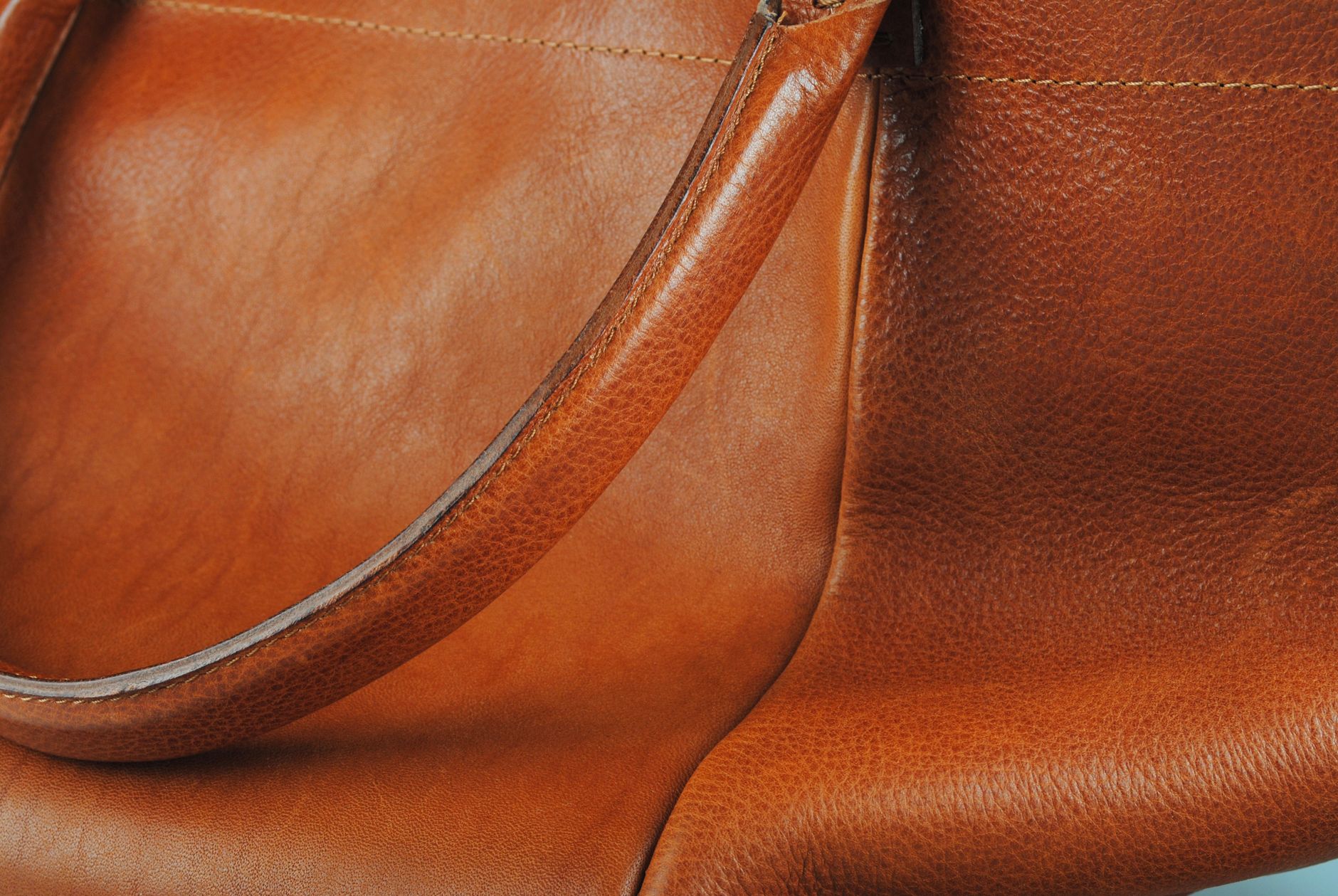
Leather is the hardest element to replicate perfectly. When authenticating a designer handbag, leather inspection is critical:

  • Feel — Genuine leather is soft with natural elasticity, springing back slowly when pressed. Fake leather feels stiff or "excessively soft" (lacking resilience)
  • Smell — Genuine leather has a natural, slightly earthy leather scent. Fake leather has a pungent chemical or plastic smell
  • Grain — Genuine leather grain is natural and slightly irregular. Fake leather grain is too uniform (which paradoxically looks unnatural)
  • Edges — Genuine leather edges are smoothly finished. Fake edges are rough or show glue residue

Do note, however, that high-end counterfeits sometimes use real leather paired with fake hardware, so you cannot rely on any single method alone. For more on different leather types and care, see our leather care guide.

Method 4: Logo Printing

Every brand has strict design specifications for its logo, and counterfeits frequently make errors here:

BrandGenuine Logo FeaturesCommon Fake Errors
Louis VuittonMonogram pattern is symmetrical; cut patterns never appear on the same facePattern misalignment, LV letter proportions wrong
ChanelRight C overlaps above the left C (at the top)Intersection position wrong, CC size asymmetry
GucciGG intersection has a specific angle and spacingAngle deviation, incorrect G font
PradaTriangle logo letter spacing is precise to 0.1mmLetter spacing off, triangle not perfectly straight
DiorD-I-O-R letters have specific weight proportionsIncorrect font, spacing deviation
HermesH letter has a specific serif styleWrong font, incorrect engraving depth

Method 5: Serial Numbers / NFC Chips

In recent years, major brands have been adopting digital verification methods:

BrandLegacy SystemNew System (Post-2021)Verification Method
ChanelLeather serial number stickerEmbedded NFC microchipRequires specific app to scan
Louis VuittonDate Code (location + date)NFC microchipBrand app or official verification
DiorSerial number labelRFID tagBrand official verification
PradaSerial number + white fabric tagQR Code + serial numberBrand app scan
GucciLeather serial number tagQR CodeBrand app scan
HermesYear stamp + craftsman stampNo chip adopted yetPrimarily manual authentication

But remember: the presence of a serial number does not prove authenticity. Counterfeits can print fake serial numbers or even clone NFC chip data. Serial verification must be used in combination with other authentication methods — it cannot determine authenticity on its own.

Brand-by-Brand Breakdown: Specific Authentication Points

The essence of handbag authentication is that every brand has its own unique "anti-counterfeiting features." Accurate authentication requires understanding each brand's specific checkpoints. Here are the key authentication points for six major brands.

Hermes Authentication

Pre-owned Hermes commands the highest prices, making it the most heavily counterfeited. Hermes Birkin authentication has several unique checkpoints:

CheckpointGenuine FeaturesTypical Fake Issues
Saddle StitchHand-sewn, each stitch slightly angled, both sides symmetricalMachine-sewn, stitches perfectly vertical
Leather StampYear stamp (letter = year) + individual craftsman stampBlurry stamp, incorrect format
ClochetteLeather quality matches the bag body, fine stitchingLeather texture differs, coarser stitching
PadlockHermes engraving is crisp, turns smoothly, has noticeable weightBlurry engraving, lightweight, does not turn smoothly
ZipperEclair or YKK, clear markingsUnbranded zipper, blurry markings
FeetFour base feet uniform in size, engraved with HermesInconsistent sizing, blurry engraving

The hardest thing for counterfeiters to replicate is the saddle stitch — in genuine pieces, two threads cross through the same needle hole on every stitch, creating a distinctive chevron pattern. Machines simply cannot reproduce this effect.

[products brand="hermes" line="Birkin" limit="3"]

Chanel Authentication

Pre-owned Chanel Classic Flap has an enormous counterfeit market. Key checkpoints include:

CheckpointGenuine FeaturesTypical Fake Issues
CC TurnlockThe two C's intersect at a precise position, right C on topIncorrect intersection, C curvature is off
QuiltingDiamond pattern is symmetrical, seams align perfectlyPattern shifts, seams are misaligned
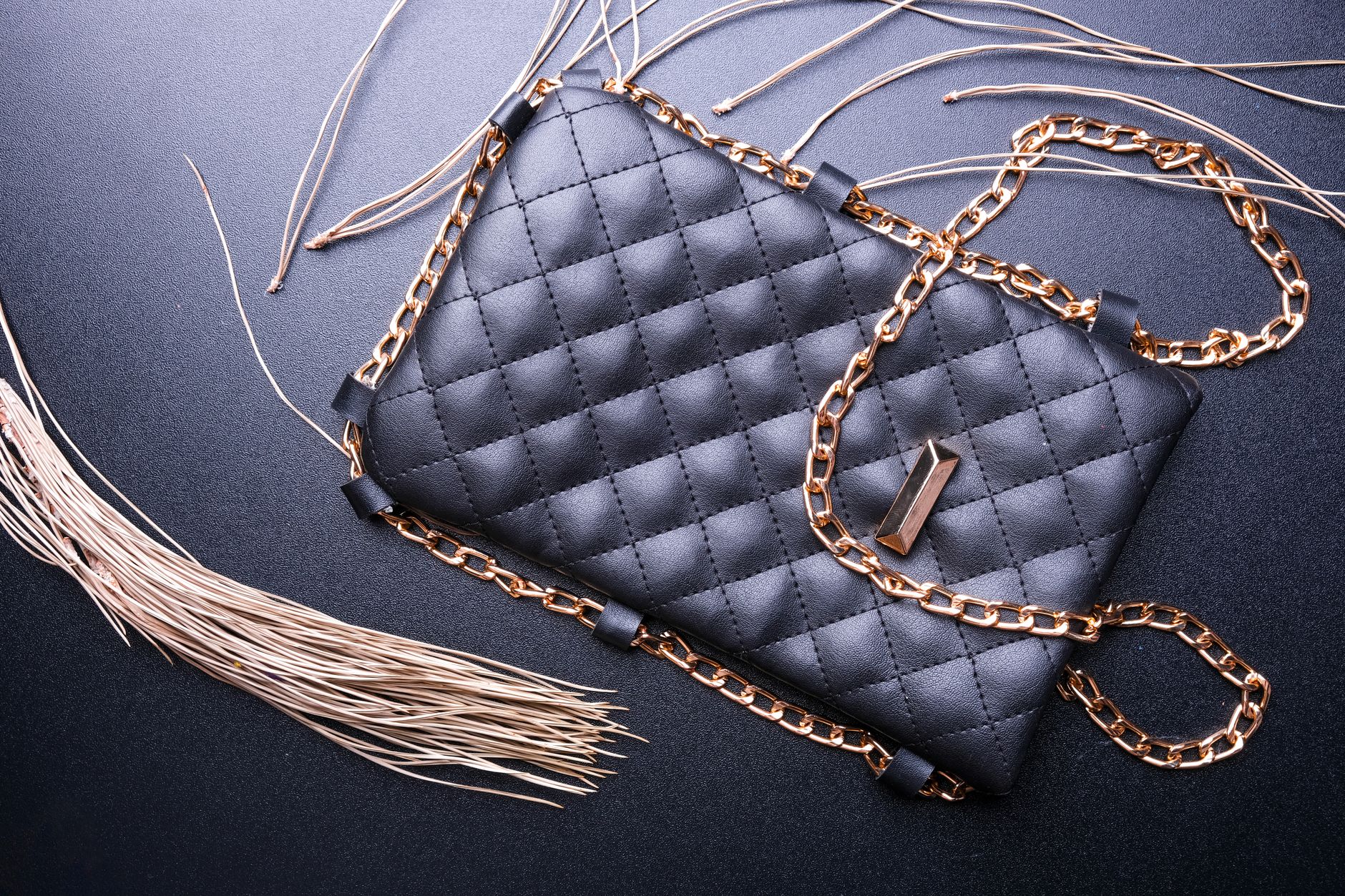
Chain StrapLeather woven through chain neatly, each link uniformUneven weaving, link sizes vary
InteriorBurgundy genuine leather lining, embossed logo is crispLining colour is off, logo embossing is blurry
BaseBottom quilting connects perfectly to the frontBottom and front pattern misalignment

Since 2021, Chanel has discontinued leather serial number stickers in favour of embedded NFC chips. If a bag claimed to be from 2022 or later still has a leather serial sticker, it is almost certainly counterfeit. For more Chanel buying advice, see our Chanel Classic Flap pre-owned guide.

Louis Vuitton Authentication

Louis Vuitton likely has the highest counterfeit volume in the world:

CheckpointGenuine FeaturesTypical Fake Issues
Monogram CanvasMatte finish, slightly rough texture but not stickyOverly glossy, feels slippery or sticky
LV LettersLetters are crisp, proportions are preciseBlurry letters or incorrect proportions
Vachetta LeatherInitially pale, naturally darkens (patina) over timeUnnatural colour, uneven oxidation
Zipper PullLV marking is crisp, slides smoothlyBlurry marking, resistance when pulling
"Made in" StampConsistent font and depth, fixed positionIncorrect font or position deviation

A little-known detail about the LV Monogram pattern: the pattern is printed inverted (LV letters upside down) as part of the anti-counterfeiting design. Many fakes overlook this detail.

Dior Authentication

Counterfeit Dior Lady Dior and Book Tote bags have increased sharply in recent years:

  • Cannage quilting — Genuine quilting has uniform depth in every square, with perfectly symmetrical diamonds. Fakes show uneven depth
  • D-I-O-R charms — Genuine charms have individual hooks for each letter, with substantial metal weight. Fake letters may be connected, with lightweight metal
  • Interior — Genuine lining is finely stitched with clear, uniform brand stamping
  • Book Tote embroidery — Genuine embroidery is tight and uniform, with neat thread lines on the reverse

Gucci Authentication

Key authentication points for the Gucci GG Marmont series:

  • GG Logo — Genuine G's intersect at a precise angle with smoothly polished edges. Fake G's are too wide or too narrow
  • Matelasse leather — Genuine chevron pattern flows naturally. Fakes show overly regular patterns or pressure marks
  • Heart motif — The heart embossing on the back is in a fixed position with precise dimensions. Fakes show positional deviation
  • Zipper — Genuine uses YKK or proprietary zippers with silky-smooth action. Fake zippers have noticeable resistance

Prada Authentication

Prada authentication is relatively straightforward:

  • Triangle logo — Genuine metal triangle plate has smooth edges and crisp, evenly spaced letters. Fakes have rough edges and uneven letter spacing
  • Saffiano leather — Genuine cross-hatch embossing has uniform depth with a subtle granular feel. Fakes are embossed too shallow or too deep
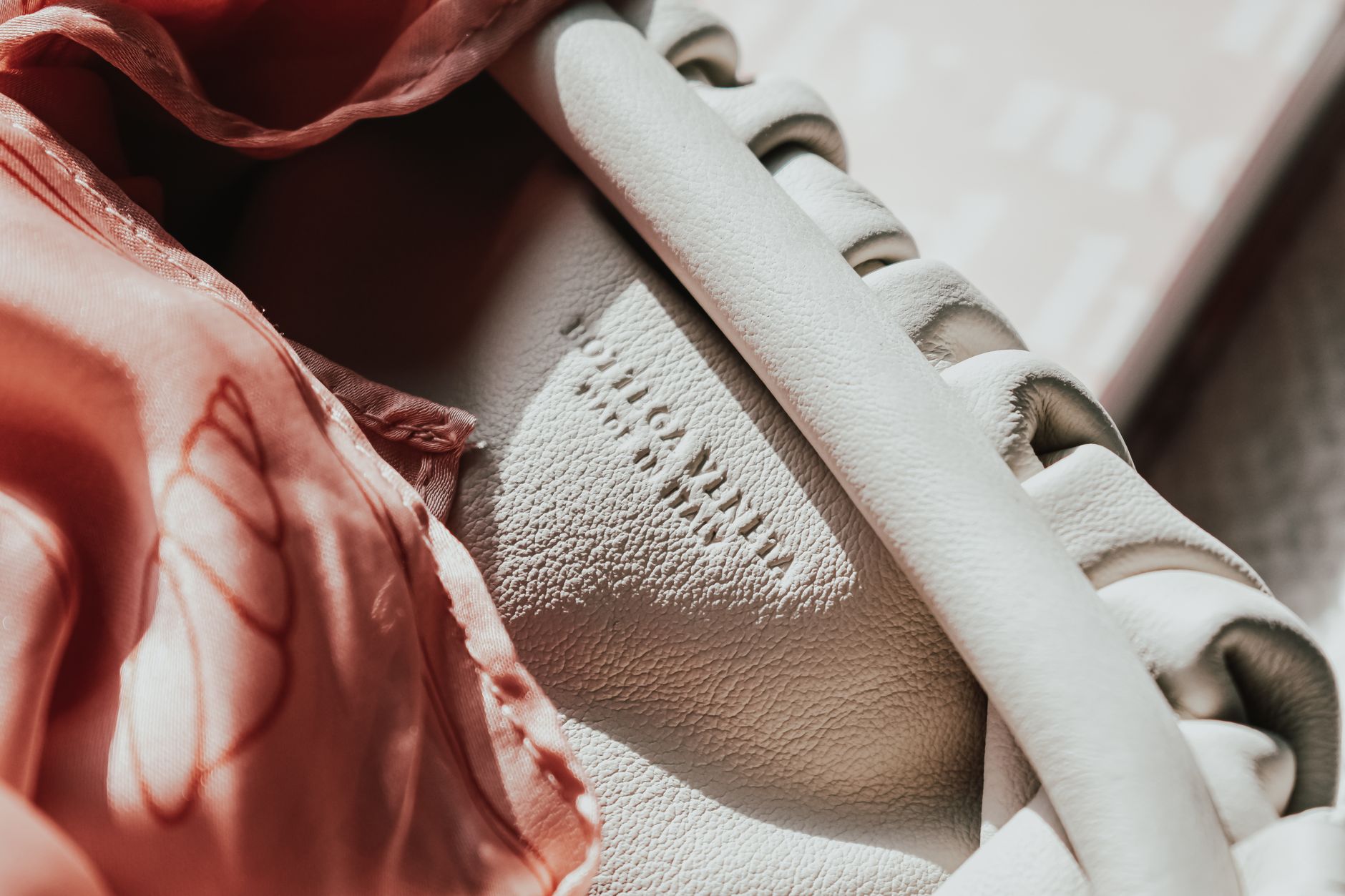
  • Interior label — Genuine "PRADA" and "Made in Italy" text follows a fixed format

[products brand="gucci" line="GG Marmont" limit="3"]

AI Authentication Technology: The Future of Handbag Authentication

Traditional handbag authentication relies on human eyes and experience, but AI technology is transforming the industry:

MethodRepresentativePrincipleAccuracyCost
AI Image RecognitionEntrupyMicroscopic camera captures leather fibres, AI compares against database99.1% (official figure)HK$100-300/item
Blockchain ProvenanceArianeeEach item has a unique digital certificate recording its full lifecycleN/A (tamper-proof)Brand-side cost
NFC ChipsBrand proprietaryEmbedded chip stores product data, verified via app scanVery highBuilt-in by brand
Manual AuthenticationAACD, professional authenticatorsExpert authenticators perform item-by-item inspection95-99%HK$200-500/item

Entrupy's technology deserves special mention — it uses a 200x magnification microscopic lens to photograph leather fibres, then uses AI to compare against a database of millions of genuine item images. This micro-level analysis is completely beyond the capability of the human eye.

However, AI authentication also has limitations: for entirely new counterfeiting techniques or rare models, the database may lack sufficient data for accurate judgement. The most reliable approach remains a dual authentication system combining AI and human expertise.

Common Scam Tactics to Watch For

Beyond knowing how to spot fakes, understanding scam tactics is equally important:

Scam TacticHow It WorksHow to Protect Yourself
"Factory surplus / overstock"Claims items leaked from factories — they are all counterfeitsBrands never have "factory surplus" — the concept itself is fabricated
Mixing real and fakeStore carries some genuine and some fake items, using real ones to build trustVerify each item independently; don't lower your guard because previous purchases were genuine
Fake authentication certificatesForged certificates included to increase credibilityOnly trust well-known authentication bodies (AACD, Entrupy); ignore unknown certifications
Bait and switchShows genuine item, ships a fakeOnly use platforms with return guarantees; authenticate upon receipt
Refurbished fakesCounterfeits refurbished to look near-new, then sold at high pricesCheck leather smell and hardware feel — refurbishment cannot disguise fundamental issues

What to Do If You Buy a Counterfeit

If you unfortunately end up with a fake, here are the steps to take:

  1. Preserve all evidence — The item, packaging, conversation records, payment receipts, shipping records
  2. Get a professional authentication — Obtain a formal authentication report from an AACD-certified body or Entrupy
  3. Contact the seller — Present the authentication report and request a refund; keep all communication records
  4. File a complaint — In Hong Kong, you can file with the Consumer Council; for platform transactions, file a dispute with the platform
  5. Credit card chargeback — If you paid by credit card, you can request a chargeback from your bank (typically within 120 days)
  6. Report to authorities — Selling counterfeit goods is a criminal offence in Hong Kong; you can report to Customs

Self-Inspection vs Professional Authentication

ComparisonSelf-InspectionProfessional (Manual)AI Authentication
CostFreeHK$200-500HK$100-300
AccuracyCan filter out low-quality fakes95-99%99%+
Best ForInitial screening in C2C transactionsHigh-value itemsHigh-volume authentication
Time RequiredInstant1-3 daysA few minutes
LimitationsCannot identify super-fakesDepends on authenticator experienceDatabase may lack data on new models

If you are purchasing a bag worth HK$30,000 or more, spending HK$200-500 on professional authentication is a very worthwhile "insurance premium." But ideally, you should choose a platform with built-in professional authentication from the start, eliminating this concern entirely. Understanding condition grades can also help you make more precise decisions when shopping.

The Bottom Line on Authentication

Mastering basic authentication methods is certainly valuable, but you must accept one reality: top-tier counterfeits have reached a level of craftsmanship that ordinary consumers simply cannot distinguish. Rather than spending your time playing detective, solve the problem at its source.

AACD-certified Japanese suppliers employ an authentication process that includes item-by-item manual inspection plus electronic verification, with a pass rate below 95% for items that do not meet standards. This institutional guarantee is far more reliable than any individual's authentication ability. For the safest places to buy, see our comparison of pre-owned designer bag channels.

All handbags, crossbody bags, and chain bags on LUXTOKY are professionally authenticated by AACD-certified suppliers, with transparent condition grading and multi-angle high-resolution photography. Authenticating designer handbags may not be easy, but choosing the right platform makes the problem disappear.

[products brand="hermes" line="Kelly" limit="3"]

# 真假辨別# 鑑定# 名牌手袋# AACD# 教學# Hermès# Chanel# Louis Vuitton# Dior# Gucci# Prada
Next →